

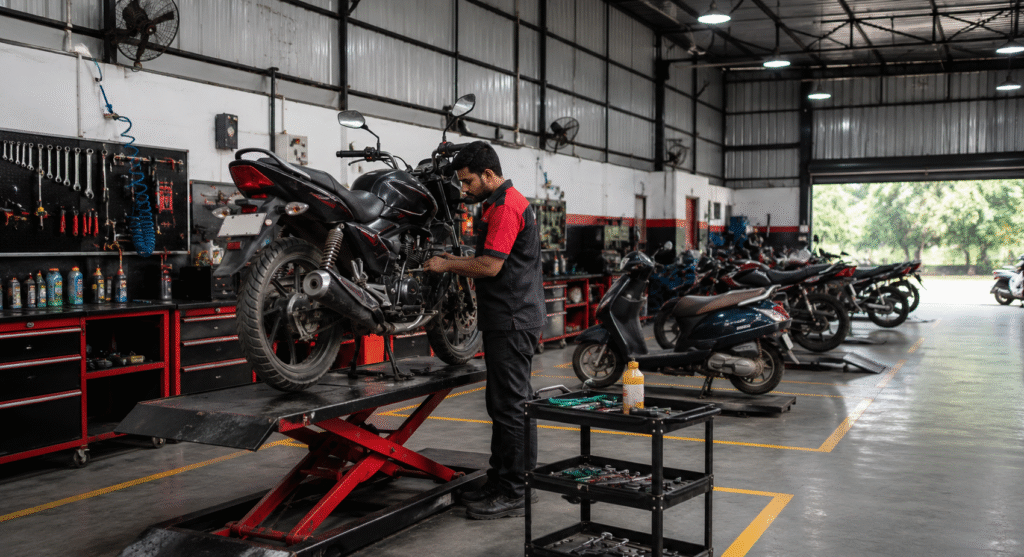
How to Start a Two-Wheeler Service Center in India: A Complete Beginner’s Guide
Are you planning to start a two-wheeler service center but don’t know where to begin? With the rapid growth of motorcycles and scooters in India, the demand for reliable servicing is higher than ever. From daily commuters to delivery riders, everyone depends on well-maintained vehicles. This creates a profitable opportunity for aspiring entrepreneurs.
Starting a two-wheeler service center does not require a massive investment or advanced degrees. What it needs is proper planning, technical knowledge, and a customer-first approach. In this guide, you’ll learn everything step by step—from setup to profit strategies.
Why Start a Two-Wheeler Service Center?
The Indian market is dominated by two-wheelers. Every household owns at least one bike or scooter, and regular servicing is essential for performance and safety. Unlike many businesses, this sector offers consistent demand throughout the year.
Key reasons to start:
High demand and repeat customers
Low to moderate investment
Quick return on investment
Opportunity to expand into spare parts and accessories
What Skills Do You Need?
Before starting, it’s important to understand the skills required. You don’t necessarily need to be a mechanic yourself, but having basic knowledge helps in managing operations effectively.
Essential skills include:
Basic understanding of two-wheeler mechanics
Customer handling and communication
Business management skills
Ability to hire and manage technicians
If you lack technical expertise, you can hire skilled mechanics or undergo short-term training programs.
How Much Investment is Required?
The investment depends on the scale of your service center. A small setup can start with ₹2–5 lakh, while a larger, branded workshop may require ₹10 lakh or more.
Major expenses include:
Workshop space rent or purchase
Tools and equipment
Initial spare parts inventory
Staff salaries
Branding and marketing
Starting small and scaling gradually is a smart approach for beginners.
Choosing the Right Location
Location plays a critical role in your success. A well-placed service center can attract walk-in customers without heavy marketing.
Ideal locations:
Near residential areas
Close to highways or busy roads
Areas with high two-wheeler density
Near offices or colleges
Make sure the location has enough space for parking and smooth workflow.
Tools and Equipment You’ll Need
A professional setup requires proper tools to ensure quality service. Investing in the right equipment increases efficiency and customer trust.
Basic tools include:
Hydraulic lift
Air compressor
Tool kits (spanners, screwdrivers, etc.)
Oil drain equipment
Washing setup
Advanced tools like diagnostic scanners can give you an edge over competitors.
Legal Requirements and Registration
To run your service center legally, you need to complete some basic registrations.
Important requirements:
Business registration (Proprietorship, LLP, or Pvt Ltd)
GST registration (if applicable)
Shop and Establishment license
Pollution control compliance (for oil disposal)
Following legal procedures ensures smooth operations and avoids penalties.
Hiring Skilled Staff
Your team is the backbone of your service center. Skilled mechanics ensure quality work, which leads to customer retention.
Tips for hiring:
Hire experienced technicians
Offer fair salaries and incentives
Provide training for new technologies
Maintain a positive work environment
A good team can turn first-time customers into loyal clients.
Services You Can Offer
To maximize revenue, offer a range of services instead of just basic repairs.
Popular services include:
General servicing and oil change
Engine repair and tuning
Brake and clutch repair
Electrical work
Washing and detailing
Tire replacement
You can also add doorstep service or pickup-drop facilities to stand out.
Marketing Your Service Center
Even the best service center needs marketing to attract customers. Focus on both online and offline strategies.
Effective marketing ideas:
Google listing for local visibility
Social media promotion
Referral discounts
Tie-ups with delivery companies
Local pamphlets and banners
Customer reviews and word-of-mouth play a huge role in this business.
How to Increase Profit?
Once your business is running, focus on increasing revenue streams.
Profit strategies:
Sell spare parts and accessories
Offer AMC (Annual Maintenance Contracts)
Introduce premium services
Partner with insurance companies
Expand into electric vehicle servicing
Diversifying services helps you earn more from each customer.
Challenges You May Face
Like any business, this one also comes with challenges.
Common issues:
Finding skilled labor
Managing customer expectations
Handling seasonal fluctuations
Competition from authorized service centers
The key is consistency, quality service, and building trust.
Conclusion
Starting a two-wheeler service center is a practical and profitable business opportunity, especially in a country like India where bikes and scooters are a necessity. With the right planning, location, and team, you can build a sustainable and scalable business.
The most important factor is customer satisfaction. If your service is reliable and transparent, customers will keep coming back—and bring others with them.
So, are you ready to turn your idea into a successful service business?